MyElleLab4 min read
Crafting Focused iPhone Experiences: iOS App Trends, Independent Studio Dynamics, and the Future of Mobile Software
Let's dive deep into the defining iOS app trends of 2026, backed by industry data and explore how focused software and indie studio dynamics are changing the game.
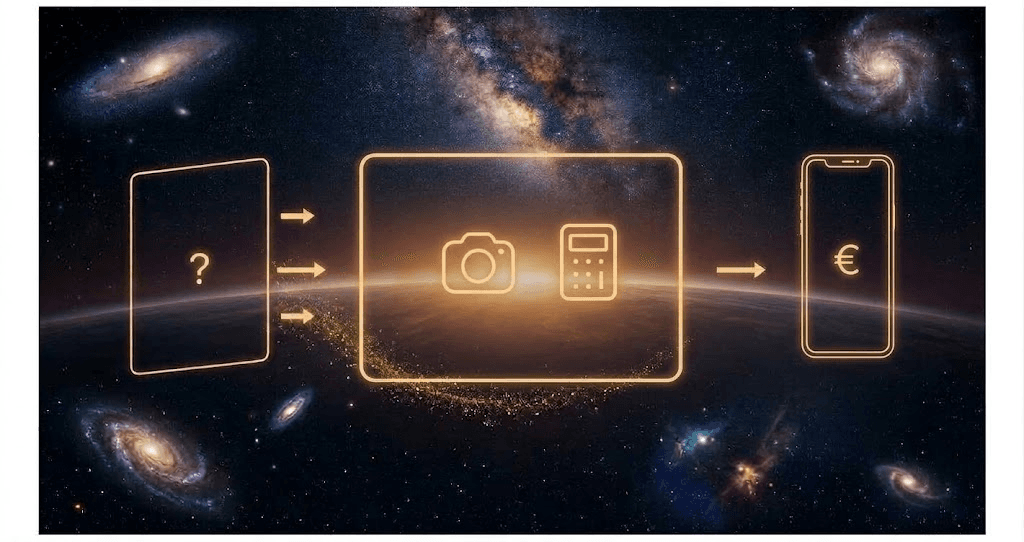
If you spend even a few minutes browsing the App Store today, you can feel the shift. For years, the mobile landscape was defined by massive, sprawling super-apps attempting to capture every waking second of your attention. But as we move through 2026, the tide has turned. Users are suffering from digital fatigue and a quieter, more intentional revolution is taking over home screens worldwide. No one can blame them, there are a lot of apps that cover so many needs.
At MyElleLab, we are an independent team of five building apps the way we wish more apps were built: small in scope, generous in detail, and crafted to live on your phone for years. The main goal is to have some small everyday tools to your pocket that will be able to help you every day, without being complex.
Let's dive deep into the defining iOS app trends of 2026, backed by industry data and explore how focused software and indie studio dynamics are changing the game.
1. The Rise of "Product Suites" Over Monolithic Apps
For a long time, software companies tried to pack everything into one bloated utility knife app (many features, helpful but.. Not easy to use or too many ads). Today, user behavior points in the exact opposite direction. People prefer small, highly specialized apps that do one thing brilliantly.
This philosophy is why we organize our work into focused product suites at MyElleLab, grouping apps by what they help you achieve, from productivity (MyGrowth), photo management (MyLooper, MyTwinLens) and commerce (MySellingMate) to leisure (MyMoodLab, MyYahtzee).
📊 Quick Stat Stop: App Economy Momentum
- $1.4 Trillion: Total billings and sales facilitated globally by the App Store ecosystem.
- 850+ Million: Average weekly active users on the App Store across 175+ countries.
- 34 Apps: The average number of distinct apps actively engaged with per user monthly, highlighting a preference for targeted tools.
2. Non-Gaming Applications and Subscription Sustainability
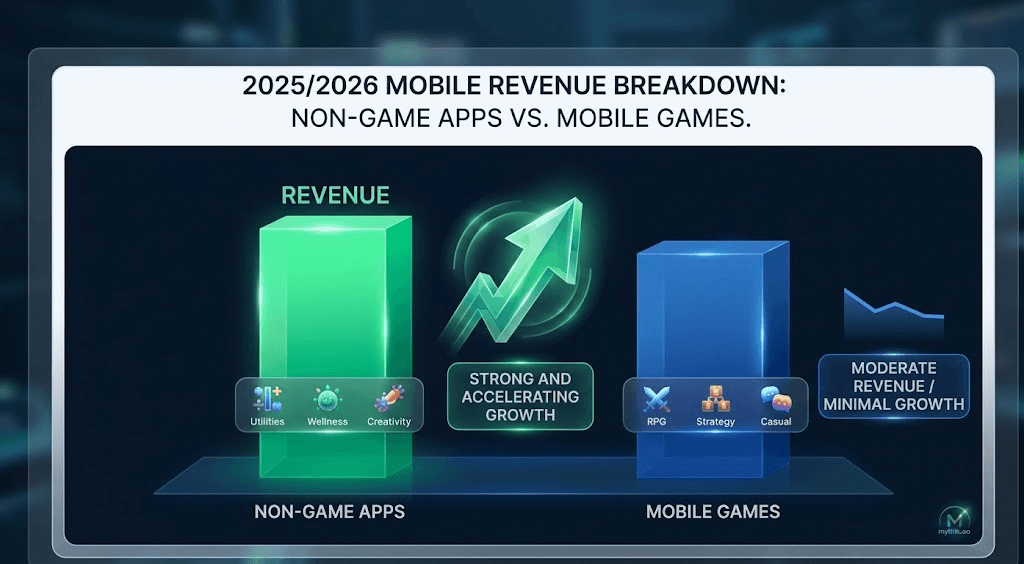
For the first time in mobile history, non-gaming application in-app purchases have surged past mobile gaming dominance in key segments, growing by over 21% year-over-year. Consumers are increasingly willing to invest directly in utility, wellness, creativity and daily routines that genuinely improve their workflows. Game apps are easy to download, but easy to delete on the same day.
Furthermore, moving away from ad-supported or one-time legacy models toward sustainable premium utility subscriptions has changed how indie developers build. Data indicates that focused utility apps driven by subscriptions achieve significantly stronger long-term value and user retention because users invest in tools that solve real, ongoing problems.
As an indie studio, this reinforces our belief that software should be crafted with a distinct point of view. When you build focused tools, whether it’s helping someone photograph items to sell (MySellingMate) or turning goals into daily habits (MyGrowth), users recognize and value that craftsmanship!
3. Practical AI & Seamless Utility Integration
Artificial Intelligence is no longer just a novelty feature, it is woven directly into the fabric of the best iOS apps. Apple’s ecosystem data shows that apps incorporating consumer-facing AI features see significantly faster billings and engagement growth.
However, the trend in 2026 isn't AI for the sake of AI. Users want smart automation that works quietly in the background:
- Anticipatory Design: Apps that think ahead so users don’t have to (much like our upcoming MySmartMates concept apps).
- On-Device Efficiency: Fast, responsive processing that preserves battery and respects privacy.
4. Community-Driven Development and the Indie Ecosystem
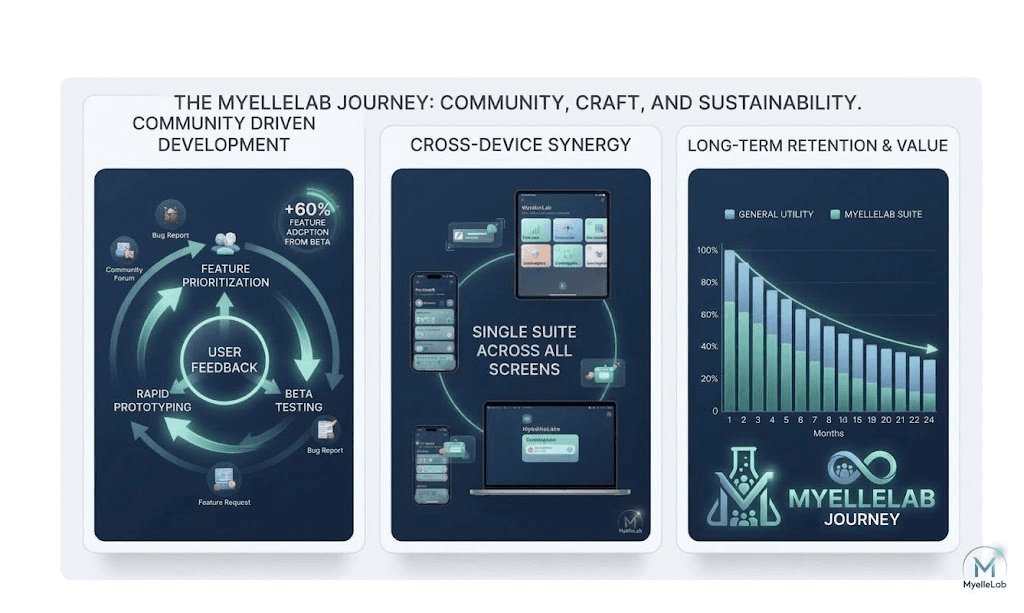
The power dynamic in software development has fundamentally shifted toward transparency. Modern independent studios rely heavily on tight feedback loops, community forums and rapid beta testing cycles. By treating users as collaborators rather than just customers, indie developers achieve much higher feature adoption rates from beta phases and build products that people actually want to keep on their home screens for years.
What’s Next for MyElleLab?
Building independent iOS software is a labor of love. With upcoming releases we are continuing to expand our suites with the same core philosophy: focused apps, crafted in suites.
We believe the future belongs to developers who respect user attention, prioritize elegant design, and build software with soul.
What kind of focused apps do you want to see on your home screen next? Reach out to us or explore our current product suites!
MyGrowth is the habit tracker we build, if you want your goals turned into daily habits.
Read more
The Art of the Flip: How to Turn Everyday Clutter Into Cash Without the Guesswork
The friction of reselling is real, but beating it is easier than you think. Let’s break down how to stop guessing, price like a pro and finally clear out your space.
How to organise iPhone videos so you actually rewatch them
Phones made filming effortless, so camera rolls fill with clips nobody opens again. Why that happens, and how collections and loops turn a pile of video into something you watch.
Do founder habits work? 7 routines checked against research
Time blocks, reading, morning exercise, three priorities, an evening stop, tracking and sleep. Which of the usual founder habits have research behind them, and which only have a statistic.