MyDailySuccess3 min read
Small daily habits that improve well-being, no big reset needed
Most attempts to feel better start with a complete reset and end within a month. What lasts is smaller: ten quiet minutes before the phone, short pauses during the day, a plan that bends on low energy days, and a record that shows you the progress you cannot feel. None of it is dramatic, which is why it survives.
When people decide to take better care of themselves, they usually plan something large. A new morning routine that starts at five, an hour of meditation, a diet, a gym plan, all beginning on Monday.
By the third week most of it has gone, and the conclusion people draw is that they lack discipline. The more likely explanation is that the plan was built for a different person with a different week.
What lasts tends to be much smaller, and repeated.
Ten minutes before the phone
Many mornings start the same way: the alarm, the phone in your hand, and the day's messages arriving before you are fully awake. You spend the first part of the morning reacting to other people's priorities.
Your body is already busy in that window. Cortisol rises on its own in the half hour after waking, the cortisol awakening response, as part of getting you up and running. Filling the same half hour with notifications is a choice, and it is an easy one to change.
Try giving the first ten minutes to something slower. Drink a glass of water. Open a window or step outside for daylight. Decide on one thing the day is for. It is a small anchor, and a small anchor is one you will still be using next month.
Pauses that fit into the day
Mindfulness has a reputation for needing a cushion and an hour. It works in much smaller pieces.
Take two minutes with your first coffee or tea instead of drinking it over your inbox. Set a gentle reminder every hour and a half or so to stand up, stretch and look at something further away than a screen. None of this will change your life on a Tuesday. It changes what the average Tuesday feels like, which is the thing you actually live in.
Plan for the days you have
Energy is not the same every day. It moves with sleep, stress, the season and a dozen things you do not control. A routine that assumes you will feel the same on every day of the year breaks on the first bad one, and the guilt that follows does more damage than the missed session.
Plan in two gears instead. On days with energy, do the demanding work, the hard workout, the creative project. On days without it, keep the habit alive in a lighter form: a walk instead of a run, tidying instead of planning, rest that you count as rest rather than failure.
Write it down, because you will not feel it
The hardest part of small habits is that their progress is invisible from one day to the next. A glass of water, a short walk, five minutes of reading: on any single day none of them looks like it matters, and that is exactly when people stop.
A written record fixes the part your memory cannot. A 2016 meta-analysis of 138 studies found that monitoring progress reliably helps people reach their goals, and that the effect is stronger when the progress is physically recorded. Seeing that you kept a habit on twenty days out of the last thirty is a better reason to continue than any amount of motivation.
The size of it
None of this looks like transformation, and that is the point. Big resets ask you to become someone else by Monday. Small choices ask you to be slightly kinder to the person you already are, today, and then again tomorrow.
MyGrowth is the habit tracker we build, if you want to see your small choices add up.
Read more
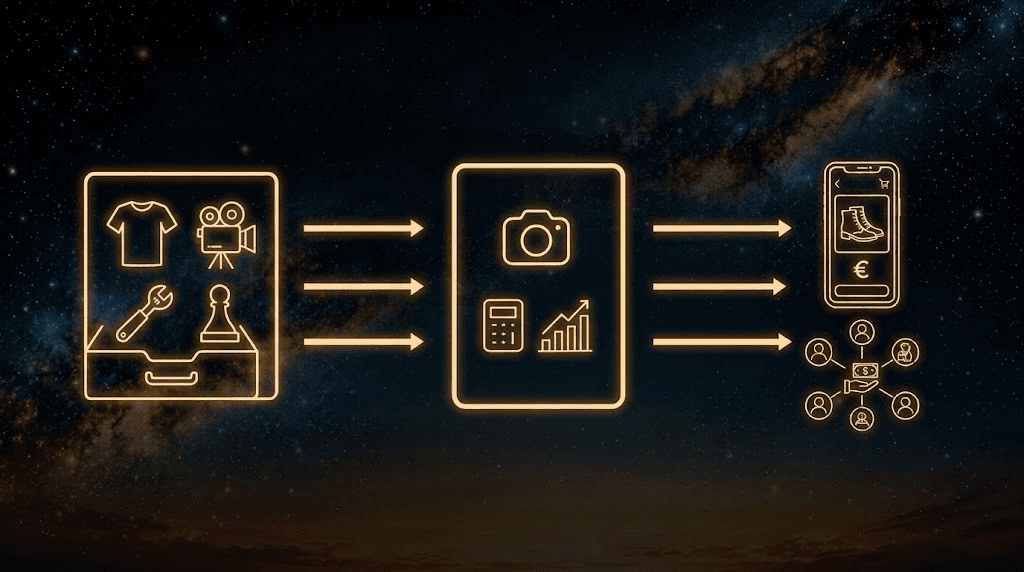
The Art of the Flip: How to Turn Everyday Clutter Into Cash Without the Guesswork
The friction of reselling is real, but beating it is easier than you think. Let’s break down how to stop guessing, price like a pro and finally clear out your space.
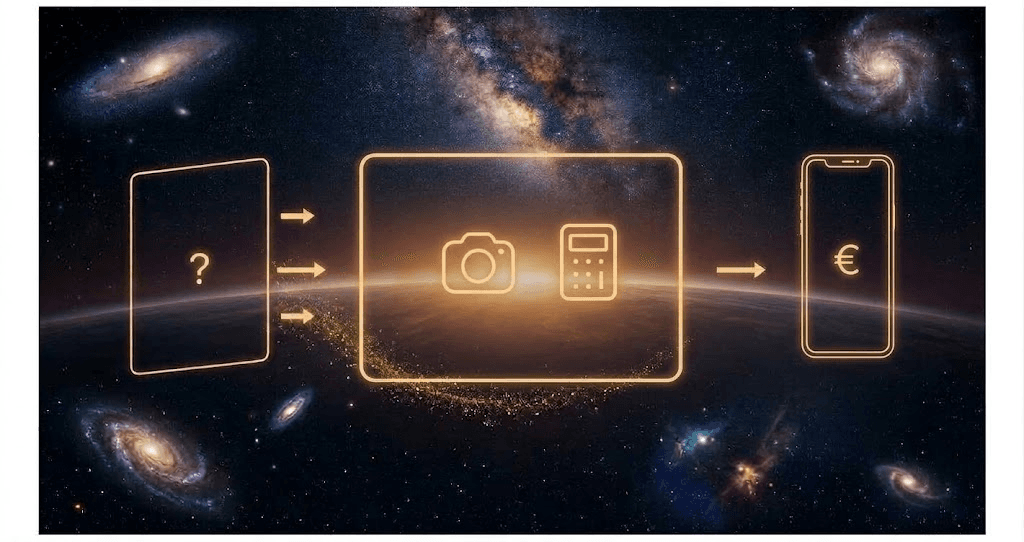
Crafting Focused iPhone Experiences: iOS App Trends, Independent Studio Dynamics, and the Future of Mobile Software
Let's dive deep into the defining iOS app trends of 2026, backed by industry data and explore how focused software and indie studio dynamics are changing the game.

How to organise iPhone videos so you actually rewatch them
Phones made filming effortless, so camera rolls fill with clips nobody opens again. Why that happens, and how collections and loops turn a pile of video into something you watch.